Introduction
In modern society, access to reliable electricity is no longer limited to fixed infrastructure. Construction projects, remote industrial sites, emergency response operations, outdoor events, and even residential backup scenarios increasingly require flexible and mobile power solutions. In this context, the Portable Diesel Generator has become one of the most widely adopted equipment categories in global power systems.
A Portable Diesel Generator is designed to deliver stable electrical output while maintaining mobility and ease of deployment. Unlike stationary generator sets, it can be transported to different locations quickly, making it ideal for temporary power needs and off-grid environments. Its popularity is driven by a combination of fuel efficiency, durability, long runtime, and operational flexibility.
Compared with gasoline-powered units, diesel-based systems generally offer better fuel economy, longer service life, and stronger load-handling capability. These advantages make them particularly suitable for professional users who require continuous or heavy-duty operation.
This guide provides a comprehensive explanation of Portable Diesel Generator systems, including their core features, technical structure, real-world applications, and key selection criteria. It is designed to help users make informed decisions based on performance requirements, operational environment, and long-term cost considerations.
Understanding Portable Diesel Generator Technology
What is a Portable Diesel Generator
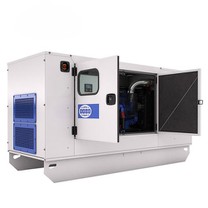
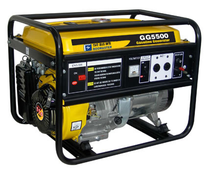
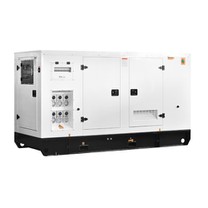
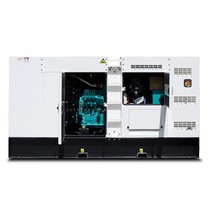
A Portable Diesel Generator is a compact power generation system that converts diesel fuel into electrical energy through an internal combustion engine connected to an alternator. The system is mounted on a mobile frame, often equipped with wheels or lifting handles, allowing it to be transported easily between job sites.
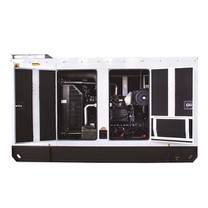
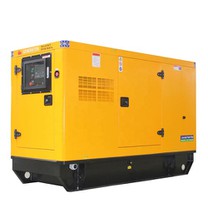
The core components include a diesel engine, alternator, fuel tank, control panel, and structural frame. The engine generates mechanical energy by burning diesel fuel, which is then converted into electricity by the alternator. The control system regulates output voltage and frequency to ensure stable performance.
Unlike large industrial generator sets, portable models are optimized for mobility and quick deployment. They typically cover power ranges from small residential backup units to medium-duty commercial systems used in field operations.
Structural Design and Mobility Engineering
The defining feature of a Portable Diesel Generator is its mobility-oriented design. Manufacturers use reinforced steel frames to ensure structural stability while keeping the overall weight manageable. Many models include wheel kits, foldable handles, or trailer-mounted configurations for easier transportation.
The compact design does not compromise durability. Industrial-grade materials are used to withstand vibration, impact, and outdoor environmental conditions. In many cases, protective frames also serve as partial sound and impact shielding, extending the equipment's operational lifespan.
Engine Performance and Power Output System
The diesel engine is the core of any Portable Diesel Generator. It determines fuel efficiency, load capacity, and long-term reliability. Diesel engines are preferred due to their high torque output and lower fuel consumption compared to gasoline engines.
Power output is typically measured in kilowatts (kW) or kilovolt-amperes (kVA). Portable units are designed to maintain stable voltage under varying load conditions. Automatic Voltage Regulation (AVR) systems help stabilize output and protect connected equipment from fluctuations.
Engine speed is usually controlled at a fixed RPM (commonly 1500 or 3000 RPM depending on frequency standards), ensuring consistent performance across different operating conditions.
Control Systems and Safety Mechanisms
Modern Portable Diesel Generator systems include integrated control panels that display real-time operating data such as voltage, frequency, oil pressure, and operating hours. These systems allow users to monitor performance and detect issues early.
Safety features include low-oil shutdown protection, overload protection, and short-circuit prevention systems. These mechanisms are essential for preventing engine damage and ensuring safe operation in unattended environments.
Some advanced models also support electric start systems, remote control functionality, and digital monitoring interfaces for improved usability.
Key Features and Performance Advantages of Portable Diesel Generator
High Mobility and Deployment Flexibility
One of the most important advantages of a Portable Diesel Generator is its mobility. It can be transported easily between different locations, making it ideal for temporary projects and emergency use.
Construction teams often rely on portable generators to power tools, lighting systems, and small machinery at remote job sites. In disaster response scenarios, they provide immediate electricity where grid infrastructure is unavailable or damaged.
This flexibility significantly reduces downtime and ensures operational continuity across different environments.
Fuel Efficiency and Long Operating Time
Diesel engines are known for their superior fuel efficiency, especially under continuous load conditions. A Portable Diesel Generator can operate for extended periods on a single fuel tank, reducing the need for frequent refueling.
Fuel efficiency is influenced by load level, engine design, and maintenance condition. Operating the generator within its optimal load range (typically 60–80%) ensures the best balance between performance and fuel consumption.
Compared to gasoline units, diesel generators generally provide lower cost per kilowatt-hour over long-term operation, making them more economical for professional users.
Durability and Heavy-Duty Performance
Portable diesel generators are designed for demanding environments. Their engines are built to withstand continuous operation, high load conditions, and harsh outdoor environments such as dust, heat, and humidity.
The structural frame is reinforced to resist vibration and physical impact during transport and operation. This durability makes them suitable for construction sites, mining operations, and agricultural applications where equipment reliability is critical.
With proper maintenance, a Portable Diesel Generator can deliver thousands of hours of service life, making it a long-term investment rather than a short-term tool.
Cost Efficiency and Operational Value
Although diesel generators may have a higher initial cost compared to smaller gasoline units, their long-term operational efficiency often results in lower total cost of ownership.
Lower fuel consumption, reduced maintenance frequency, and longer engine lifespan all contribute to improved cost efficiency. For businesses that rely on continuous or frequent generator use, the return on investment is significantly higher over time.
This makes portable diesel systems particularly attractive for contractors, rental companies, and industrial users.
Applications of Portable Diesel Generator
Construction and Infrastructure Projects
Construction sites are one of the largest application areas for Portable Diesel Generator systems. They provide power for tools, lighting, welding equipment, and temporary site offices.
Since many construction projects take place in areas without stable grid access, portable generators ensure uninterrupted workflow and project continuity. Their mobility allows them to be relocated easily as the project progresses.
Emergency and Backup Power Supply
Portable diesel generators are widely used as emergency backup systems in residential, commercial, and public infrastructure environments.
During power outages caused by storms, grid failures, or natural disasters, they provide immediate electricity for essential systems such as lighting, refrigeration, communication devices, and medical equipment.
Hospitals, emergency centers, and data facilities often rely on portable or standby diesel systems to ensure uninterrupted operations.
Industrial and Agricultural Applications
In small-scale industrial operations, portable generators are used to power machinery, workshops, and production equipment. They are especially useful in locations where grid power is unstable or unavailable.
In agriculture, they support irrigation systems, water pumps, and processing equipment in remote fields. Their portability allows farmers to move them between different operational areas as needed.
Outdoor Events and Remote Activities
Portable Diesel Generator systems are commonly used in outdoor events such as exhibitions, festivals, and temporary installations. They provide stable power for lighting, sound systems, and food service equipment.
They are also widely used in remote recreational activities such as camping or field research, where access to electricity is limited.
How to Choose the Right Portable Diesel Generator
Power Capacity and Load Requirements
Selecting the correct power capacity is the most important step in choosing a generator. Users must calculate total electrical load, including both running and starting power requirements.
Devices such as air conditioners, pumps, and compressors require higher startup power, which must be considered when sizing the generator.
Choosing the correct capacity ensures stable operation and prevents overload or underutilization.
Fuel Efficiency and Runtime Considerations
Fuel consumption directly affects operating cost and usability. Larger fuel tanks allow longer runtime, reducing the need for frequent refueling.
However, efficiency depends not only on tank size but also on engine design and load management. Operating at optimal load levels ensures better fuel economy.
Noise Level and Environmental Factors
Noise is an important consideration, especially in residential or urban environments. Some Portable Diesel Generator models include soundproof enclosures to reduce operational noise.
Users must also consider environmental conditions such as dust, humidity, and temperature when selecting a suitable model.
Build Quality and Engine Reliability
The reliability of a generator depends heavily on engine quality and manufacturing standards. High-quality engines provide better performance stability and longer lifespan.
Certifications such as ISO and CE are indicators of product quality and compliance with international standards.
Maintenance and After-Sales Support
Ease of maintenance is an important factor in long-term usability. Regular servicing, including oil changes, filter replacement, and system inspection, ensures consistent performance.
Availability of spare parts and technical support is also critical, especially for users operating in remote areas.
Maintenance and Safe Operation of Portable Diesel Generator
Routine Maintenance Practices
Regular maintenance includes engine oil replacement, air and fuel filter cleaning, and battery inspection. These tasks help maintain engine efficiency and prevent unexpected breakdowns.
Safe Operation Guidelines
Proper grounding, load management, and fuel handling are essential for safe operation. Users should avoid overloading the generator and ensure adequate ventilation during use.
Storage and Transportation
When not in use, generators should be stored in dry, clean environments. Protective covers help prevent dust and moisture damage. During transportation, the unit should be securely fastened to avoid vibration damage.
Market Trends and Future Development
Growing Demand for Portable Power
The demand for Portable Diesel Generator systems continues to grow due to increased construction activity, disaster preparedness needs, and expansion of remote operations.
Technological Improvements
Modern generators are becoming more fuel-efficient, quieter, and more compact. Digital control systems and remote monitoring capabilities are increasingly common.
Integration with Smart Energy Systems
Future portable generators may integrate with hybrid systems combining solar, battery storage, and IoT-based monitoring for improved efficiency and sustainability.
Conclusion
The Portable Diesel Generator is a highly versatile and reliable power solution designed for mobility, durability, and efficient performance. Its ability to provide stable electricity in remote, emergency, and temporary environments makes it an essential tool across multiple industries.
Selecting the right model requires careful evaluation of power capacity, fuel efficiency, build quality, noise level, and maintenance requirements. When properly chosen and maintained, a portable diesel generator delivers long-term operational value and dependable performance in demanding conditions.