Introduction
In modern power infrastructure, the demand for stable and low-noise electricity supply has increased significantly across residential, commercial, and industrial environments. Cities are becoming denser, environmental regulations are stricter, and critical facilities such as hospitals, data centers, and construction sites require uninterrupted backup power without disturbing surrounding operations.
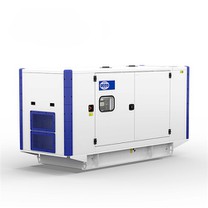
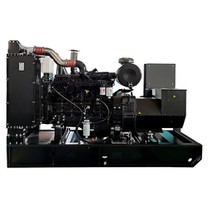
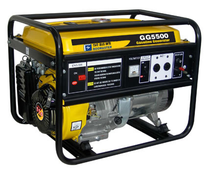
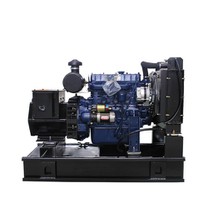
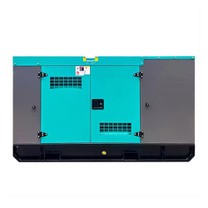
A Silent Diesel Generator Set is designed to meet these requirements by combining reliable diesel engine performance with advanced noise reduction technology. Unlike traditional open-frame generators, silent units are enclosed in specially engineered acoustic housings that significantly reduce operational noise while maintaining stable electrical output.
Over the past decade, silent generator technology has evolved from basic soundproof boxes to highly engineered systems that integrate vibration control, airflow optimization, digital monitoring, and remote diagnostics. These improvements have made Silent Diesel Generator Set systems a preferred solution for environments where both performance and noise control are critical.
This article provides a comprehensive technical and practical guide to silent diesel generator systems, covering their core technology, benefits, selection criteria, installation considerations, and future development trends. It also explains how modern monitoring tools and industrial sensor systems-including applications like Mining Sensor networks-are increasingly integrated into generator operation for improved reliability and predictive maintenance.
Understanding Silent Diesel Generator Set Technology
What is a Silent Diesel Generator Set
A Silent Diesel Generator Set is a complete power generation system that converts diesel fuel into electrical energy while minimizing sound emissions. It typically consists of four core components: a diesel engine, an alternator, a control system, and a soundproof enclosure.
The diesel engine produces mechanical energy through internal combustion. This energy drives the alternator, which converts it into electrical power. The control system regulates voltage, frequency, and operational safety, ensuring stable output under varying load conditions. The soundproof enclosure is the defining feature of silent systems, designed to reduce noise to acceptable levels for urban and sensitive environments.
Compared to open-type generators, silent models can reduce noise levels by 15–30 decibels depending on design quality, making them suitable for hospitals, residential areas, and commercial zones.
Acoustic Engineering and Noise Reduction Design
Noise reduction is achieved through a combination of engineering techniques rather than a single solution. The enclosure is typically constructed using high-density steel panels combined with sound-absorbing materials such as polyurethane foam or mineral wool. These materials absorb sound waves generated by engine combustion and mechanical vibration.
Airflow design is another critical factor. A Silent Diesel Generator Set must balance cooling efficiency with noise control. Air intake and exhaust systems are designed with mufflers and directional channels that reduce sound propagation while maintaining sufficient airflow for engine cooling.
Vibration isolation is equally important. Rubber mounts or spring dampers are used to separate the engine from the base frame, reducing mechanical vibration transfer to the enclosure structure. This significantly lowers low-frequency noise, which is often the most difficult type to control.
Control Systems and Intelligent Operation
Modern silent generators are equipped with digital control panels that allow operators to monitor voltage, frequency, oil pressure, and temperature in real time. These systems improve operational safety and simplify maintenance scheduling.
Automatic Transfer Switch (ATS) integration allows the generator to start automatically when grid power fails, ensuring uninterrupted electricity supply. Once grid power is restored, the system switches back seamlessly.
Remote monitoring is becoming increasingly common. Operators can track performance data through cloud-based platforms or mobile applications, improving response time and reducing manual inspection requirements.
Sensor Integration and Industrial Monitoring Applications
In advanced industrial environments, Silent Diesel Generator Set systems are increasingly integrated with external monitoring technologies. One example is the use of Mining Sensor systems in remote mining operations.
Mining environments require continuous monitoring of temperature, vibration, gas levels, and equipment performance. When integrated with generator systems, sensor networks provide real-time data that helps optimize power usage and detect early signs of equipment failure.
For example, vibration sensors can detect abnormal engine movement, while temperature sensors monitor overheating risks. Fuel sensors track consumption efficiency, and load sensors ensure the generator is operating within optimal parameters.
This integration allows predictive maintenance strategies, where potential failures are identified before they occur, reducing downtime and maintenance costs significantly.
Key Benefits of Silent Diesel Generator Set
Low Noise Operation and Environmental Compliance
The most obvious advantage of a Silent Diesel Generator Set is its reduced noise output. In urban environments, noise pollution regulations are strict, and traditional generators often exceed acceptable limits. Silent systems solve this issue through acoustic engineering and vibration control.
This makes them suitable for hospitals, schools, residential buildings, and commercial complexes where noise disruption must be minimized. In construction projects located near residential areas, silent generators are often mandatory to meet regulatory requirements.
Fuel Efficiency and Cost Effectiveness
Diesel engines are inherently more fuel-efficient than gasoline engines, especially under continuous load conditions. Silent generator systems further improve efficiency through optimized combustion design and electronic fuel injection systems.
Operating the generator at 70–80% load typically achieves the best fuel efficiency. Underloading or overloading can reduce efficiency and increase wear. Over time, fuel savings represent a significant portion of total operational cost reduction, making silent diesel systems economically attractive for long-term use.
Reliability and Continuous Operation Capability
A Silent Diesel Generator Set is designed for long-duration operation under stable load conditions. Industrial-grade engines can run continuously for extended periods without performance degradation, provided proper maintenance is performed.
Reliability is especially important in critical applications such as hospitals, data centers, and mining operations where power interruptions can result in financial loss or safety risks. The combination of robust engine design and intelligent monitoring systems ensures stable performance even in harsh environments.
Versatility Across Multiple Industries
Silent diesel generators are widely used across different sectors. In residential applications, they provide backup power during outages. In commercial buildings, they ensure uninterrupted operations of essential systems.
In industrial environments, they support machinery, production lines, and heavy equipment. In remote mining and energy projects, they often serve as primary power sources. Integration with monitoring systems such as Mining Sensor networks further enhances their role in remote and automated operations.
Selection Criteria for Silent Diesel Generator Set
Power Capacity and Load Planning
Selecting the correct capacity is the foundation of generator selection. Users must calculate total power demand, including both running load and starting load. Many industrial machines require higher power during startup, which must be considered in sizing calculations.
A properly sized Silent Diesel Generator Set ensures stable performance without overloading or excessive fuel consumption. It is also important to include future expansion requirements when selecting capacity.
Noise Level Requirements and Site Conditions
Different environments have different noise regulations. Urban areas typically require lower decibel levels compared to industrial zones. Silent generators are rated based on their noise output at a specific distance, usually measured in dB(A).
High-quality acoustic enclosures can significantly reduce noise levels, but site conditions such as building proximity and ventilation must also be considered during selection.
Engine Quality and Fuel Efficiency
The engine is the core component of any generator system. High-quality engines provide better fuel efficiency, longer lifespan, and more stable performance. Buyers should evaluate engine brand reputation, technical specifications, and maintenance requirements.
Fuel efficiency directly impacts long-term operating cost. Advanced fuel injection systems and electronic governors improve combustion efficiency and reduce fuel consumption.
Durability and Environmental Adaptability
Silent generators must operate in diverse environmental conditions, including high temperature, humidity, dust, and vibration. Therefore, structural durability and protective design are essential.
Weatherproof enclosures, corrosion-resistant materials, and reinforced frames ensure long-term reliability. Industrial-grade systems are often designed for continuous outdoor operation.
Smart Features and Monitoring Systems
Modern generator systems include smart control features such as ATS integration, remote monitoring, and automated diagnostics. These features improve operational efficiency and reduce manual intervention.
Integration with sensor-based systems, including Mining Sensor networks in industrial environments, allows real-time performance tracking and predictive maintenance. This reduces downtime and extends equipment lifespan.
Installation, Operation, and Maintenance
Installation Requirements
Proper installation is critical for performance and safety. The generator should be placed on a stable foundation to minimize vibration. Adequate ventilation is required to ensure engine cooling and exhaust gas dispersion.
Electrical connections must comply with local standards, and ATS systems should be installed for automatic switching functionality.
Operational Best Practices
To ensure long-term performance, the generator should be operated within recommended load ranges. Running at optimal load improves fuel efficiency and reduces engine wear.
Regular monitoring of temperature, oil pressure, and voltage helps maintain stable operation and prevent unexpected failures.
Maintenance and Lifecycle Management
Routine maintenance includes oil changes, filter replacement, cooling system inspection, and battery checks. Preventive maintenance is more cost-effective than emergency repairs and significantly extends equipment lifespan.
A well-maintained Silent Diesel Generator Set can operate reliably for tens of thousands of hours, making it a long-term infrastructure asset.
Market Trends and Future Development
Growing Demand for Low-Noise Power Solutions
Urbanization and stricter environmental regulations are driving demand for silent power systems. Industries are increasingly required to reduce noise pollution, making silent generators a standard requirement in many projects.
Smart Monitoring and IoT Integration
The future of generator systems is closely linked to digitalization. IoT-based monitoring allows real-time data collection, remote diagnostics, and predictive maintenance. Integration with systems such as Mining Sensor networks demonstrates how industrial power systems are becoming part of broader smart infrastructure ecosystems.
Cleaner and More Efficient Technologies
Environmental regulations are pushing manufacturers toward cleaner combustion technologies and hybrid systems. Future silent generators may integrate renewable energy sources such as solar or battery storage to reduce fuel consumption and emissions.
Conclusion
The Silent Diesel Generator Set represents a mature and highly engineered solution for modern power needs. By combining diesel engine reliability with advanced noise reduction technology, these systems provide stable, efficient, and environmentally compliant power across a wide range of applications.
Selecting the right system requires careful evaluation of power capacity, noise requirements, fuel efficiency, durability, and smart control features. Integration with modern monitoring technologies, including industrial sensor systems such as Mining Sensor networks, further enhances operational efficiency and reliability.
As industries continue to prioritize sustainability, automation, and noise control, silent diesel generator technology will remain a key component of global power infrastructure.