Introduction
In modern industrial systems, uninterrupted power supply is not optional-it is a core operational requirement. Manufacturing plants, mining operations, construction projects, logistics hubs, and data centers all depend on stable electricity to maintain productivity and safety. Any unexpected downtime can result in production loss, equipment damage, or even safety risks.
This is why the Industrial Diesel Generator Set has become a critical component in heavy-duty operations. Unlike small residential units, industrial generator sets are engineered to handle large electrical loads, continuous operation, and harsh environmental conditions. They are widely used as either primary power sources in remote areas or backup systems in grid-connected facilities.
A well-selected Industrial Diesel Generator Set ensures stable voltage output, fuel efficiency, and long-term durability under demanding workloads. However, choosing the right system is not a simple task. It requires understanding technical specifications, operational environments, load characteristics, and lifecycle costs.
This guide provides a structured and practical approach to selecting the right industrial diesel generator set for heavy-duty applications. It covers technical fundamentals, selection criteria, advanced features, installation considerations, and long-term cost evaluation to help engineers, procurement teams, and project managers make informed decisions.
Understanding Industrial Diesel Generator Set Fundamentals
What is an Industrial Diesel Generator Set
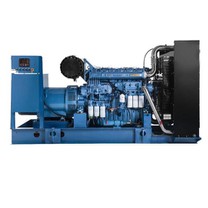
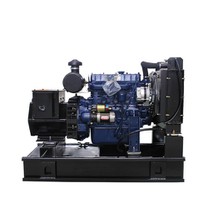
An Industrial Diesel Generator Set is a complete power generation system that converts diesel fuel into electrical energy through a combination of mechanical and electromagnetic processes. It consists primarily of a diesel engine, alternator, control system, fuel system, cooling system, and structural base frame.
The diesel engine produces mechanical energy by burning fuel in a controlled combustion process. This mechanical energy drives the alternator, which converts it into electrical power. The control system manages output stability, safety functions, and operational monitoring.
Compared to residential generators, industrial systems are designed for higher power output (typically from 50kVA to over 3000kVA), longer operational cycles, and more complex load conditions. They are built to operate continuously under heavy load without performance degradation.
Types of Industrial Diesel Generator Sets
Industrial diesel generator sets can be categorized based on operational mode and structural design.
Prime Power Generators are designed for continuous use in applications where grid power is unavailable or unreliable. They can operate for extended periods with variable loads.
Standby Generators are used as backup power sources and activate automatically during grid failure. They are commonly used in hospitals, data centers, and commercial buildings.
Continuous Power Generators are engineered for constant operation at a fixed load, often used in remote industrial facilities.
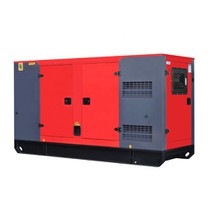
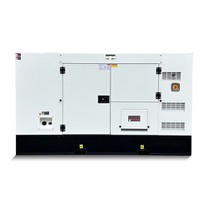
In terms of structure, open-type generators are cost-effective but require external installation protection, while silent-type generators use acoustic enclosures to reduce noise. Containerized systems provide full protection and mobility for large-scale industrial deployment.
Voltage classification is also important. Low-voltage systems are used for standard industrial applications, while high-voltage Industrial Diesel Generator Set systems are used for long-distance power transmission and heavy-load environments.
Key Industrial Applications
The Industrial Diesel Generator Set plays a critical role in multiple sectors. In manufacturing, it ensures uninterrupted production line operation. In construction, it powers tools, lighting, and machinery at remote sites.
In mining and oil & gas industries, generator sets provide primary power in off-grid environments where no utility connection exists. Data centers rely on them as backup systems to prevent data loss during outages.
They are also widely used in transportation hubs, airports, and large commercial complexes where continuous power is essential for operations and safety systems.
Key Factors in Selecting the Right Industrial Diesel Generator Set
Power Capacity and Load Analysis
Selecting the correct power capacity is the most critical step in choosing an Industrial Diesel Generator Set. Power is measured in kilowatts (kW) or kilovolt-amperes (kVA), and understanding the difference between them is essential.
Engineers must calculate both running load and starting load. Many industrial machines, such as compressors and pumps, require significantly higher power during startup. If this is not accounted for, the generator may fail to start or become overloaded.
A proper load analysis includes identifying all connected equipment, calculating total power demand, and applying a safety margin (typically 20–30%). It is also important to consider future expansion, as industrial facilities often increase capacity over time.
Undersized generators lead to overload failures, while oversized systems result in inefficient fuel consumption and higher operational costs.
Fuel Efficiency and Operational Cost
Fuel efficiency is a key factor in long-term operational cost. Diesel generators are generally more efficient than gasoline systems, especially under continuous load conditions.
However, efficiency is not only determined by engine design but also by load management. Operating a generator at 70–80% of rated capacity typically provides optimal fuel efficiency. Running at very low load levels can lead to incomplete combustion and increased fuel consumption per kWh.
Modern Industrial Diesel Generator Set systems are equipped with advanced fuel injection technology, which improves combustion efficiency and reduces emissions. Some systems also include electronic governors that optimize engine speed based on load demand.
Fuel cost often represents the largest portion of total operating expenses, making efficiency a critical factor in system selection.
Reliability and Performance Requirements
Industrial environments often expose generator sets to harsh conditions such as high temperatures, dust, humidity, and vibration. Therefore, reliability is a primary selection criterion.
A high-quality Industrial Diesel Generator Set must maintain stable voltage and frequency under fluctuating loads. Engine quality plays a major role in this performance. Industrial-grade engines are designed for long service life and continuous operation.
Cooling systems are equally important. Air-cooled and liquid-cooled systems ensure that the generator maintains optimal temperature during long operating cycles.
Compliance with international standards such as ISO and CE ensures that the equipment meets safety and performance benchmarks. Reliability is not only about durability but also about consistent output under real-world conditions.
Noise Level and Environmental Considerations
Although industrial generators are primarily functional, environmental compliance is increasingly important. Many regions enforce strict noise and emission regulations.
Silent-type Industrial Diesel Generator Set systems use acoustic enclosures, insulation materials, and vibration isolation to reduce noise levels. This is especially important in urban industrial zones or near residential areas.
Emission control is another key factor. Modern systems are designed to meet Tier II, Tier III, or higher emission standards, reducing environmental impact.
Site conditions also influence selection. Outdoor installations require weatherproof enclosures, while indoor setups require proper ventilation and exhaust systems.
Brand, Support, and Spare Parts Availability
The manufacturer plays a significant role in long-term performance. Established brands typically offer better quality control, engineering support, and spare parts availability.
An Industrial Diesel Generator Set is a long-term investment, often operating for thousands of hours per year. Therefore, access to maintenance services and replacement components is essential.
Global supply chain capability is also important for large projects. Delays in spare parts can result in costly downtime.
Advanced Features and Technology Considerations
Control Systems and Automation
Modern industrial generator sets are equipped with intelligent control systems that monitor voltage, frequency, load, and fuel consumption in real time.
Automatic Transfer Switch (ATS) systems allow seamless switching between grid power and generator power. This ensures uninterrupted operation in critical facilities.
Remote monitoring systems enable operators to manage generator performance through digital platforms, improving efficiency and reducing manual intervention.
Synchronization and Scalability
In large industrial operations, multiple generator sets are often used in parallel. Synchronization systems allow these generators to operate together, sharing load and increasing total capacity.
This approach improves redundancy and ensures continuous operation even if one unit fails. It also allows businesses to scale power capacity based on demand.
Safety Features and Protection Systems
Safety is a critical aspect of Industrial Diesel Generator Set design. Modern systems include overload protection, short-circuit protection, and automatic shutdown features.
Fire safety systems, fuel leakage detection, and emergency stop functions further enhance operational safety. These features protect both equipment and personnel.
Installation, Operation, and Maintenance
Installation Requirements
Proper installation is essential for performance and safety. The generator must be placed on a stable foundation to reduce vibration.
Adequate ventilation is required to ensure proper cooling and exhaust gas removal. Electrical integration must comply with local regulations and industry standards.
Incorrect installation can significantly reduce efficiency and lifespan.
Operational Best Practices
Operators should avoid running the generator at extremely low or high loads for extended periods. Maintaining optimal load levels ensures fuel efficiency and engine stability.
Regular monitoring of temperature, voltage, and fuel levels helps prevent unexpected failures.
Maintenance and Lifecycle Management
Routine maintenance is essential for long-term reliability. This includes oil changes, filter replacement, cooling system checks, and battery inspection.
Preventive maintenance is more cost-effective than corrective repairs. A well-maintained Industrial Diesel Generator Set can operate efficiently for 20,000–30,000 hours or more.
Cost Analysis and Return on Investment
Initial Investment vs Long-Term Value
While industrial generator sets require significant upfront investment, their long-term value lies in operational reliability and reduced downtime.
Fuel and Maintenance Costs
Fuel consumption and maintenance represent ongoing operational expenses. Efficient systems reduce total cost of ownership significantly over time.
ROI in Industrial Applications
The return on investment comes from avoided downtime, improved productivity, and operational continuity. In industries such as manufacturing and data centers, even short interruptions can result in substantial financial losses.
Conclusion
Selecting the right Industrial Diesel Generator Set is a strategic decision that directly impacts operational efficiency, safety, and long-term profitability. It requires careful evaluation of power requirements, fuel efficiency, reliability, installation conditions, and lifecycle costs.
Modern generator technology offers advanced features such as intelligent control systems, synchronization capability, and improved emission performance. However, the foundation of a successful selection remains the same: matching the right capacity and configuration to real operational needs.
For heavy-duty operations, a well-designed Industrial Diesel Generator Set is not just a backup solution-it is a core infrastructure asset that ensures stability, productivity, and business continuity in demanding industrial environments.