Introduction
In today's increasingly electrified world, a stable power supply is no longer a luxury but a necessity for households. From essential appliances like refrigerators and lighting systems to modern smart home devices, uninterrupted electricity ensures comfort, safety, and productivity. However, power outages-whether caused by extreme weather, grid instability, or infrastructure limitations-remain a persistent challenge in many regions.
This is where a Household Diesel Generator becomes a practical and reliable solution. Known for its durability, fuel efficiency, and ability to deliver consistent power over extended periods, a household diesel generator is widely used for residential backup and off-grid applications. Compared to gasoline generators, diesel-powered systems typically offer longer service life and lower fuel consumption, making them a preferred option for homeowners seeking long-term value.
This guide provides a comprehensive overview of Household Diesel Generator systems, covering their working principles, selection criteria, efficiency optimization, installation considerations, and future trends. Whether for emergency backup or continuous off-grid use, understanding these factors is essential for making an informed investment.
Understanding Household Diesel Generators
What is a Household Diesel Generator
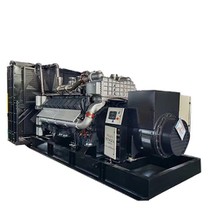
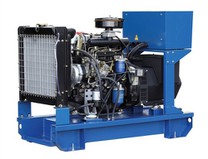
A Household Diesel Generator is a power generation system that converts diesel fuel into electrical energy for residential use. It typically consists of four main components: a diesel engine, an alternator, a fuel system, and a control panel. The diesel engine burns fuel to produce mechanical energy, which is then converted into electricity by the alternator.
Unlike smaller portable gasoline units, diesel generators are designed for higher efficiency and longer operation cycles. This makes them particularly suitable for extended outages or continuous power supply scenarios.
Types of Household Diesel Generators
Household diesel generators can be categorized based on design and application. Portable generators are compact and easy to move, making them suitable for temporary or occasional use. Standby generators, on the other hand, are permanently installed and automatically activate during power outages.
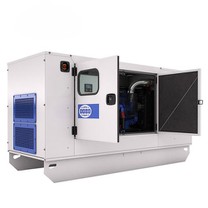
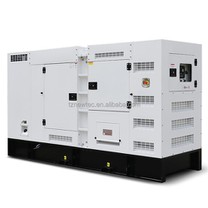
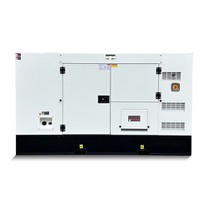
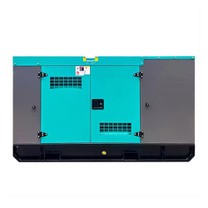
Another classification is based on noise control. Open-type generators are more affordable but produce higher noise levels, while silent or soundproof generators are enclosed in acoustic canopies to reduce operational noise, making them ideal for residential environments.
In terms of electrical configuration, most households use single-phase generators, while larger homes or properties with higher power demands may require three-phase systems.
Key Applications in Residential Scenarios
A Household Diesel Generator serves multiple purposes in residential settings. Its primary role is to provide emergency backup power during outages, ensuring that essential appliances continue to operate. In rural or remote areas, diesel generators may serve as the primary power source for off-grid living.
Additionally, they are used to support high-power equipment such as air conditioning systems, water pumps, and home offices. Their ability to deliver stable voltage and frequency makes them suitable for sensitive electronic devices as well.
How to Choose the Right Household Diesel Generator
Power Capacity and Load Calculation
Selecting the correct generator capacity is one of the most critical steps. Homeowners must calculate the total power consumption of all appliances they intend to run during an outage. This includes both running wattage and starting wattage, as some devices-such as refrigerators and air conditioners-require higher power during startup.
A properly sized Household Diesel Generator ensures efficient operation without overloading or underutilization. Oversized generators may lead to unnecessary fuel consumption, while undersized units can cause system instability and equipment damage.
Fuel Efficiency and Consumption
Fuel efficiency directly impacts operating costs. Diesel generators are generally more fuel-efficient than gasoline alternatives, especially under continuous load conditions. Factors such as engine design, load percentage, and maintenance practices influence fuel consumption.
Operating the generator at 60–80% of its rated capacity is typically considered optimal for efficiency. Modern diesel generators also incorporate advanced fuel injection systems that improve combustion efficiency and reduce waste.
Noise Level and Installation Environment
Noise is a significant consideration for residential use. Silent generators are designed with soundproof enclosures, insulation materials, and vibration-damping systems to minimize noise levels. This makes them suitable for urban environments or neighborhoods with strict noise regulations.
Proper placement of the generator is equally important. It should be installed in a well-ventilated area, away from living spaces, to ensure safety and reduce noise impact.
Reliability and Brand Considerations
Reliability is a key factor when investing in a Household Diesel Generator. High-quality engines, robust construction, and adherence to international standards such as ISO and CE certifications are indicators of dependable performance.
Additionally, availability of spare parts and technical support plays a crucial role in long-term usability. Choosing a manufacturer with a strong service network ensures that maintenance and repairs can be carried out efficiently.
Budget and Total Cost of Ownership
While the initial purchase price is important, it should not be the sole deciding factor. The total cost of ownership includes fuel expenses, maintenance costs, and potential repair costs over the generator's lifespan.
Diesel generators often have a higher upfront cost compared to gasoline models, but their lower fuel consumption and longer lifespan typically result in better cost efficiency over time.
Efficiency and Performance Optimization
Fuel Efficiency Best Practices
Maximizing fuel efficiency requires proper operation and maintenance. Running the generator at optimal load levels prevents fuel wastage and ensures efficient combustion. Avoiding prolonged idle operation is also essential, as it reduces overall efficiency.
Using high-quality diesel fuel and keeping the fuel system clean further enhances performance.
Maintenance and Lifecycle Management
Regular maintenance is critical for ensuring the reliability and longevity of a Household Diesel Generator. This includes routine oil changes, air and fuel filter replacements, and inspection of key components such as belts and cooling systems.
Preventive maintenance helps identify potential issues before they lead to system failure. A well-maintained generator can operate efficiently for thousands of hours, providing long-term value.
Advanced Features and Smart Control Systems
Modern household diesel generators are equipped with advanced features that improve usability and performance. Automatic Transfer Switch (ATS) systems enable seamless transition between grid power and generator power during outages.
Digital control panels provide real-time monitoring of parameters such as voltage, frequency, and fuel levels. Some systems also offer remote monitoring capabilities, allowing users to manage the generator through mobile applications or online platforms.
Safety features, including overload protection and automatic shutdown mechanisms, further enhance reliability and protect both the generator and connected appliances.
Backup Power Solutions and Installation
Integration with Home Electrical Systems
Integrating a Household Diesel Generator with a home's electrical system requires careful planning and professional installation. An ATS system ensures automatic switching during power outages, minimizing disruption.
Proper wiring and load distribution are essential to ensure safe and efficient operation. It is recommended to consult qualified electricians to comply with local regulations and safety standards.
Installation Guidelines
The installation location plays a crucial role in performance and safety. Generators should be placed outdoors or in well-ventilated areas to prevent accumulation of exhaust gases. Adequate space should be provided for maintenance access and airflow.
Noise reduction measures, such as installing the generator on vibration-isolating pads or using sound barriers, can further enhance user experience.
Common Use Cases and Practical Scenarios
Household diesel generators are widely used in various scenarios. In urban areas, they provide reliable backup during grid outages. In rural or remote locations, they serve as primary power sources for homes without grid access.
They are also essential for emergency preparedness, ensuring that households remain functional during natural disasters or prolonged power disruptions.
Future Trends in Household Diesel Generators
Technological Advancements
Advancements in engine technology and electronic control systems are improving the efficiency and performance of diesel generators. Innovations such as electronic fuel injection and smart control modules enable better fuel management and reduced emissions.
Hybrid systems that combine diesel generators with renewable energy sources, such as solar panels, are also gaining popularity. These systems provide a more sustainable and cost-effective solution for residential power needs.
Environmental Considerations
Environmental regulations are becoming increasingly stringent, driving the development of cleaner diesel technologies. Modern generators are designed to meet emission standards while maintaining high performance.
Efforts to reduce noise pollution and improve fuel efficiency are also contributing to more environmentally friendly generator solutions.
Market Trends and Consumer Demand
The demand for compact, silent, and user-friendly generators continues to grow. Consumers are increasingly seeking solutions that offer convenience, reliability, and minimal environmental impact.
Smart home integration is another emerging trend, allowing generators to be seamlessly incorporated into automated home systems.
Conclusion
A Household Diesel Generator remains one of the most reliable and efficient solutions for residential backup power. Its ability to deliver stable electricity over extended periods, combined with fuel efficiency and durability, makes it a valuable investment for homeowners.
Selecting the right generator requires careful consideration of factors such as power capacity, fuel efficiency, noise levels, and overall cost. Proper installation and regular maintenance are equally important to ensure optimal performance and long-term reliability.
As technology continues to evolve, household diesel generators are becoming more efficient, quieter, and environmentally friendly. With the integration of smart systems and hybrid energy solutions, they are set to play an increasingly important role in residential energy security.
For homeowners seeking a dependable backup power solution, investing in a well-designed Household Diesel Generator is a practical step toward ensuring uninterrupted comfort and safety in an unpredictable energy landscape.