Introduction
In today's industrial landscape, electricity demand is increasing not only in scale but also in complexity. Large manufacturing plants, mining operations, data centers, and critical infrastructure projects require stable, high-capacity power that can operate continuously under heavy load conditions. In many cases, grid power alone cannot fully guarantee reliability, especially in remote areas or during peak demand periods.
This is where the High Voltage Diesel Generator Set plays a critical role. Unlike standard low-voltage generator systems, high voltage units are designed to deliver electricity at elevated voltage levels, typically used for large-scale power distribution and long-distance transmission efficiency. By increasing voltage while reducing current, these systems minimize energy loss and improve overall transmission stability.
A High Voltage Diesel Generator Set is not just a backup power device-it is a core component of industrial energy infrastructure. It ensures uninterrupted operation, supports heavy machinery, and stabilizes power systems in mission-critical environments.
This article provides a comprehensive technical and practical overview of high voltage diesel generator systems. It covers their working principles, structural design, industrial applications, selection criteria, installation requirements, and future development trends. The goal is to help engineers, procurement teams, and project planners make informed decisions when selecting high-capacity power solutions.
Understanding High Voltage Diesel Generator Set Technology
What is a High Voltage Diesel Generator Set
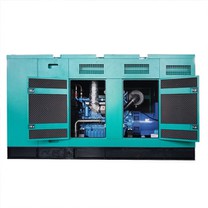
A High Voltage Diesel Generator Set is an advanced power generation system that converts diesel fuel into electrical energy at high voltage output levels, typically ranging from several kilovolts up to tens of kilovolts depending on system design.
The system consists of four primary components: a diesel engine, a high voltage alternator, an excitation system, and a digital control panel. The diesel engine generates mechanical energy through controlled combustion. This mechanical energy drives the alternator, which produces electrical output at high voltage levels.
The key difference between high voltage and standard generator sets lies in the output voltage level and insulation system design. High voltage systems are engineered for efficient long-distance power transmission and reduced electrical losses.
High Voltage Power Generation Principles
The fundamental principle behind a High Voltage Diesel Generator Set is electromagnetic induction. The alternator converts mechanical rotation into electrical energy by passing magnetic fields through copper windings.
To achieve high voltage output, the alternator is designed with specialized insulation materials and winding configurations that can withstand elevated electrical stress. The insulation system is critical, as it prevents breakdown and ensures stable operation under continuous high-load conditions.
One of the main advantages of high voltage systems is reduced current flow for the same power output. According to the power equation (P = V × I), increasing voltage allows current to decrease, which reduces energy loss in transmission cables and improves overall system efficiency.
Control and Protection Systems
Modern High Voltage Diesel Generator Set systems are equipped with advanced digital control technology. These systems monitor key parameters such as voltage, frequency, current load, engine temperature, and fuel consumption in real time.
Protection mechanisms are essential due to the high energy levels involved. Common safety features include overload protection, short-circuit detection, grounding fault protection, and emergency shutdown systems.
Synchronization systems are also widely used in industrial applications. These allow multiple generator sets or grid connections to operate in parallel, balancing load demand and ensuring stable power output across large-scale operations.
Cooling, Insulation, and Structural Engineering
High voltage systems generate significant thermal energy during operation, making cooling systems a critical design component. Liquid cooling systems are commonly used in large generator sets to maintain optimal engine and alternator temperatures.
The insulation system is equally important. High-quality materials such as epoxy resin and advanced composite insulation are used in alternator windings to prevent electrical breakdown under high voltage stress.
Structurally, these generator sets are built with reinforced frames to handle vibration and mechanical stress, especially in continuous industrial operation environments.
Key Applications of High Voltage Diesel Generator Set
Large-Scale Industrial Operations
One of the primary applications of a High Voltage Diesel Generator Set is in heavy industrial environments. Manufacturing plants, steel production facilities, and chemical processing plants require stable high-capacity electricity to operate machinery continuously.
In these environments, even a brief power interruption can result in production loss or equipment damage. High voltage systems ensure stable energy distribution across large factory networks, supporting multiple high-load machines simultaneously.
Mining, Oil & Gas, and Remote Energy Projects
Mining and energy extraction sites are often located in remote areas without reliable grid access. In such environments, a High Voltage Diesel Generator Set serves as either the primary or hybrid power source.
These applications require robust systems capable of operating under extreme conditions such as high temperatures, dust, humidity, and vibration. High voltage output allows efficient distribution of power across large mining operations without significant energy loss.
Oil and gas platforms also rely heavily on these systems to power drilling equipment, processing units, and safety systems.
Data Centers and Critical Infrastructure
Data centers represent one of the most power-sensitive environments in modern industry. Even a few seconds of power interruption can lead to data loss or service disruption.
High voltage generator systems are used as backup or hybrid power solutions in data centers, often integrated with UPS systems to ensure seamless power transition. Their ability to support high loads makes them ideal for large-scale computing infrastructure.
Hospitals, airports, and communication hubs also rely on similar systems for uninterrupted operation of critical services.
Utility Grid Support and Peak Load Management
Utility companies use High Voltage Diesel Generator Set systems to support electrical grids during peak demand periods. These systems help stabilize voltage fluctuations and prevent grid overload.
They are also used as emergency backup sources during grid failures or natural disasters. In regions with unstable infrastructure, they provide a reliable alternative to centralized power systems.
Selection Guide for High Voltage Diesel Generator Set
Power Capacity and Load Planning
Selecting the correct capacity is the most important factor when choosing a generator system. Engineers must evaluate total power demand, including both continuous load and peak load requirements.
High voltage systems are typically used in large-scale operations where power demand exceeds standard low-voltage capabilities. Proper load calculation ensures system stability and prevents overloading or inefficiency.
Future expansion should also be considered, as industrial facilities often increase power demand over time.
Voltage Level and System Compatibility
Different industrial systems operate at different voltage levels. Selecting the correct voltage output is essential for compatibility with existing infrastructure.
High voltage generator sets often require step-up or step-down transformers depending on application requirements. Synchronization with grid systems must also be carefully designed to ensure stable operation.
Fuel Efficiency and Operational Cost
Fuel consumption is a major factor in long-term operational cost. Although high voltage systems are designed for efficiency, actual fuel consumption depends on load management and engine performance.
Operating the generator within its optimal load range (typically 70–85%) ensures maximum efficiency. Underloading or overloading can significantly reduce performance and increase fuel costs.
Advanced fuel injection systems and electronic governors help optimize combustion efficiency and reduce waste.
Reliability and Environmental Adaptability
High voltage generator systems are often deployed in demanding environments. Therefore, durability and reliability are critical selection factors.
The engine must be capable of continuous operation under high load conditions, while the alternator must withstand electrical stress over long periods. Environmental resistance, including protection against dust, heat, and moisture, is also essential.
Compliance with international standards such as ISO, IEC, and CE ensures safety and performance reliability.
Maintenance and Service Support
Maintenance plays a key role in system longevity. Regular servicing, including oil changes, filter replacement, and system diagnostics, helps prevent unexpected failures.
Availability of spare parts and technical support is also critical, especially for remote industrial locations. Predictive maintenance systems are increasingly used to reduce downtime and improve operational efficiency.
Installation, Operation, and Safety Management
Installation Requirements
Proper installation is essential for safe and efficient operation. High voltage systems require reinforced foundations to reduce vibration and structural stress.
Electrical installation must include proper grounding systems and insulation protection to ensure operator safety. Adequate ventilation and cooling systems are also necessary to maintain performance stability.
Operational Best Practices
Operators must ensure that the generator operates within recommended load ranges. Continuous monitoring of voltage, frequency, and temperature is necessary to maintain system stability.
Avoiding prolonged underload or overload conditions helps extend engine life and improve fuel efficiency.
Safety Systems and Risk Control
Due to the high energy output, safety systems are a critical component of High Voltage Diesel Generator Set design.
Emergency shutdown systems, overload protection, and fault detection mechanisms are standard features. Operator training is also essential to ensure safe handling and maintenance procedures.
Market Trends and Future Development
Increasing Demand for High-Capacity Power Systems
Global industrial expansion continues to drive demand for high-capacity generator systems. Infrastructure development, digital transformation, and energy security concerns are key growth factors.
Smart Monitoring and Automation
Modern generator systems increasingly incorporate IoT-based monitoring and automation technologies. These systems enable real-time performance tracking and remote diagnostics.
Predictive maintenance is becoming a standard feature in advanced installations, reducing downtime and operational costs.
Hybrid and Sustainable Energy Integration
Future high voltage systems are expected to integrate with renewable energy sources such as solar and wind power. Hybrid systems combining diesel generators with battery storage are becoming more common, improving efficiency and reducing environmental impact.
Conclusion
The High Voltage Diesel Generator Set is a critical component of modern industrial power infrastructure. It provides high-capacity, stable, and efficient electricity for large-scale operations where reliability is essential.
From manufacturing plants and mining sites to data centers and utility grids, these systems ensure uninterrupted power supply under demanding conditions. Their ability to transmit electricity efficiently over long distances makes them ideal for complex industrial environments.
Selecting the right system requires careful evaluation of power capacity, voltage compatibility, fuel efficiency, durability, and maintenance support. When properly designed and maintained, a high voltage diesel generator set delivers long-term operational stability and significant economic value.
As industries continue to grow and energy demands increase, high voltage diesel generator technology will remain a cornerstone of global power generation systems, evolving toward smarter, more efficient, and more sustainable solutions.